

The Shift Towards Sustainability: More Than Just a Trend
Over the past several decades, there has been a significant evolution in global consciousness, with sustainability taking centre stage in almost every aspect of life. From small, everyday actions like recycling, reducing energy consumption, and avoiding single-use plastics, to large-scale societal shifts such as the adoption of renewable energy and sustainable agriculture, the commitment to preserving our planet is undeniable. This eco-conscious mindset has even permeated deeply personal and traditionally unchanging aspects of life, such as how we honour and remember our deceased loved ones. The growing trend toward eco-friendly memorials is not a passing fad but a profound shift in how we reconcile grief with responsibility. Memorialisation, which has always been about honouring life, is now increasingly about leaving a lasting, positive legacy for the planet as well. Families are beginning to recognise that even in death, there is an opportunity to make choices that align with values of sustainability. This evolving approach blends environmental responsibility with a meaningful farewell, proving that commemoration and conservation can go hand in hand.
Biodegradable Urns: Melding Ashes with Nature
Traditionally, urns were designed to preserve and protect the ashes of loved ones. However, these vessels were often made of materials like metal or ceramic that do not easily degrade. Over time, these urns can contribute to environmental waste, undermining the growing desire for eco-conscious living—even after death. Biodegradable urns have emerged as an elegant solution, bridging the gap between functionality and sustainability. These urns are crafted from natural, organic materials like recycled paper, salt, clay, wood, or plant fibres. Designed to decompose naturally over time, they enable ashes to be returned to the earth in an eco-friendly manner. For water burials, biodegradable urns dissolve gradually, blending the ashes with the aquatic ecosystem in a gentle, respectful way. For land burials, the urn breaks down into the soil, creating a seamless connection between the ashes and the natural environment. Families may even choose urns designed to promote plant growth, incorporating seeds or saplings into their design. In these cases, the departed quite literally contribute to new life—becoming part of a tree or flower that blooms year after year, offering a poignant and tangible reminder of their presence. The rise of biodegradable urns illustrates how innovation and tradition can coexist, allowing families to honour their loved ones after cremation while also respecting the earth’s natural cycles.
Living Memorials: The Gift of Greenery
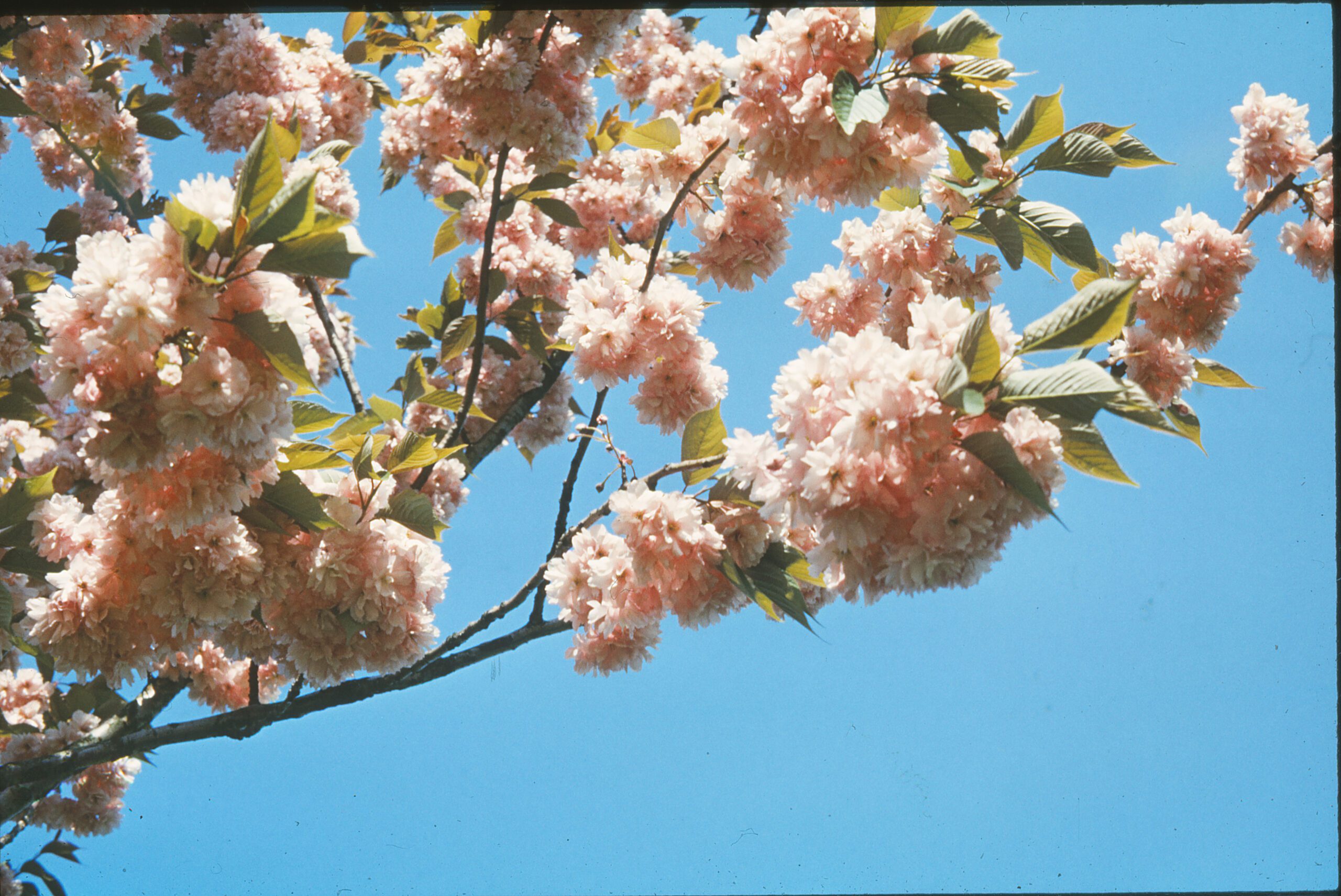
Static memorials, such as gravestones and plaques, have long been the standard way of honouring the deceased. While these traditional markers provide permanence, they lack the dynamic, life-affirming quality that many families now seek. Enter living memorials—a growing trend that replaces inanimate markers with vibrant, evolving tributes. Planting trees, shrubs, or gardens in memory of loved ones is becoming an increasingly popular alternative. These living memorials provide not only a physical connection to the person being honoured but also offer countless environmental benefits. Trees purify the air, absorb carbon dioxide, provide habitats for wildlife, and prevent soil erosion. Gardens bring beauty, solace, and biodiversity to landscapes, creating spaces for reflection and growth. For families, watching a tree grow or a garden flourish can be deeply therapeutic. Each season brings new life and renewal, symbolising the cyclical nature of existence. This connection to life’s ongoing journey offers a profound sense of comfort and hope. Additionally, the physical act of planting can be a meaningful way for families to come together and honour their loved one’s memory while contributing to a greener planet. Some organisations even offer “memorial forests,” where individuals can sponsor the planting of a tree or grove in honour of a loved one. These forests not only preserve memories but also restore ecosystems and combat deforestation, creating a living legacy that transcends generations.
Natural Burial Grounds: Returning to the Earth
Traditional burial practices often rely on materials and processes that are not environmentally friendly. Embalming involves the use of toxic chemicals like formaldehyde, while caskets are often made of metal or treated wood that resists decomposition. Additionally, concrete burial vaults are frequently used to stabilise gravesites but further prevent natural decomposition. Collectively, these practices leave a substantial environmental footprint. Natural burial grounds provide an eco-conscious alternative. These burial sites return to the ancient, earth-friendly customs of burying the deceased in biodegradable shrouds or caskets, without embalming chemicals or concrete enclosures. The focus is on allowing the body to decompose naturally, nourishing the soil and contributing to the surrounding ecosystem. Many natural burial grounds are designed to preserve or restore native landscapes, featuring wildflowers, trees, and grasses instead of manicured lawns. These spaces serve as both burial grounds and sanctuaries for wildlife, offering a serene and harmonious environment for remembrance. Choosing a natural burial is not just a statement about environmental values—it is an act of humility and connection, acknowledging humanity’s place within nature’s eternal cycle of life and death.
Eco-Friendly Memorial Services: Celebrating Life Sustainably
The rituals surrounding death—memorial services, funerals, and gatherings—can also be adapted to reflect a commitment to sustainability. Families are increasingly seeking ways to celebrate their loved ones’ lives while minimising environmental impact. One growing trend is the use of locally sourced and organic flowers, which eliminates the carbon footprint associated with transporting blooms from distant locations. Similarly, families are opting for digital announcements and invitations rather than printed materials, reducing paper waste. Memorial services may be held outdoors or at eco-friendly venues that prioritise energy efficiency, waste reduction, and sustainable practices. Even the catering for these events can reflect an eco-conscious ethos. Serving vegetarian or vegan meals, sourcing ingredients locally, and minimising food waste are all meaningful ways to honour the planet while remembering a loved one. These thoughtful choices not only lessen the environmental impact of the service but also send a powerful message about the family’s values and aspirations for a better world. Eco-friendly memorial services demonstrate that even small, intentional decisions can align grief and remembrance with a sustainable future.
Embracing Technology: Digital Memorials with an Eco-Touch
The digital age has revolutionised nearly every aspect of modern life, including how we honour and remember those we’ve lost. Digital memorials are an increasingly popular option for families seeking sustainable alternatives to traditional forms of remembrance. Online tribute pages, social media memorials, and virtual grave markers allow families and friends to share memories, photos, and stories in an accessible, environmentally friendly way. These platforms eliminate the need for physical materials, such as printed memorial books or stone markers, while still preserving a loved one’s legacy in a lasting and meaningful format. More recently, augmented reality (AR) and virtual reality (VR) technologies have begun to offer innovative ways to create immersive memorial experiences. Imagine visiting a loved one’s favourite location virtually, or using AR to view a digital tribute placed in a meaningful spot. These technologies provide unique ways to honour memories while leaving a minimal environmental footprint. Digital memorials also make it easier for people around the world to participate in remembrance, bridging distances and fostering connection in ways that physical memorials cannot. This accessibility, combined with their sustainability, makes digital memorials a forward-thinking option for today’s eco-conscious families.
Education and Awareness: Spreading the Message of Green Goodbyes
For many, the idea of eco-friendly memorialisation is still unfamiliar. Awareness and education play a crucial role in encouraging the adoption of sustainable practices in memorial services and burials. Community outreach programs, workshops, and online resources can help individuals and families make informed choices about how to honour their loved ones while respecting the environment. Nonprofit organisations, funeral homes, and environmental groups are increasingly offering resources to guide families through the process of planning green funerals. These efforts not only promote the benefits of sustainable practices but also demystify the logistics involved. Public campaigns and advocacy can help normalise eco-friendly memorials, transforming them from niche practices into mainstream options. By spreading knowledge and building supportive networks, communities can create a cultural shift that prioritises green goodbyes as a natural extension of sustainable living.
The Legacy of Eco-Friendly Memorials: Beyond the Environmental Impact
While the environmental benefits of eco-friendly memorials are significant, their impact extends far beyond reducing carbon footprints. These practices represent a new way of thinking about life, death, and the connections that bind us to the world around us. Choosing sustainable memorial options weaves a narrative of compassion and responsibility, one that honours not only the individual being remembered but also the broader community and future generations. Families who embrace these choices create legacies that reflect their loved ones’ values and their own hopes for a healthier, more harmonious world. Eco-friendly memorials transform the act of remembering into a pledge for the future. They remind us that even in loss, we have the power to make choices that affirm life and nurture the planet. By merging tradition with innovation, grief with hope, and memory with sustainability, these practices ensure that the departed are remembered in ways that truly honour their lives and their impact on the world. This shift toward eco-friendly memorials is more than a trend—it is a testament to humanity’s growing awareness of our interconnectedness with the earth. In embracing these practices, we honour not only the lives we’ve lost but also the world they’ve left behind, ensuring that their legacy lives on in a greener, more sustainable future.
Contact LDC Funerals today for funerals in London.